 General
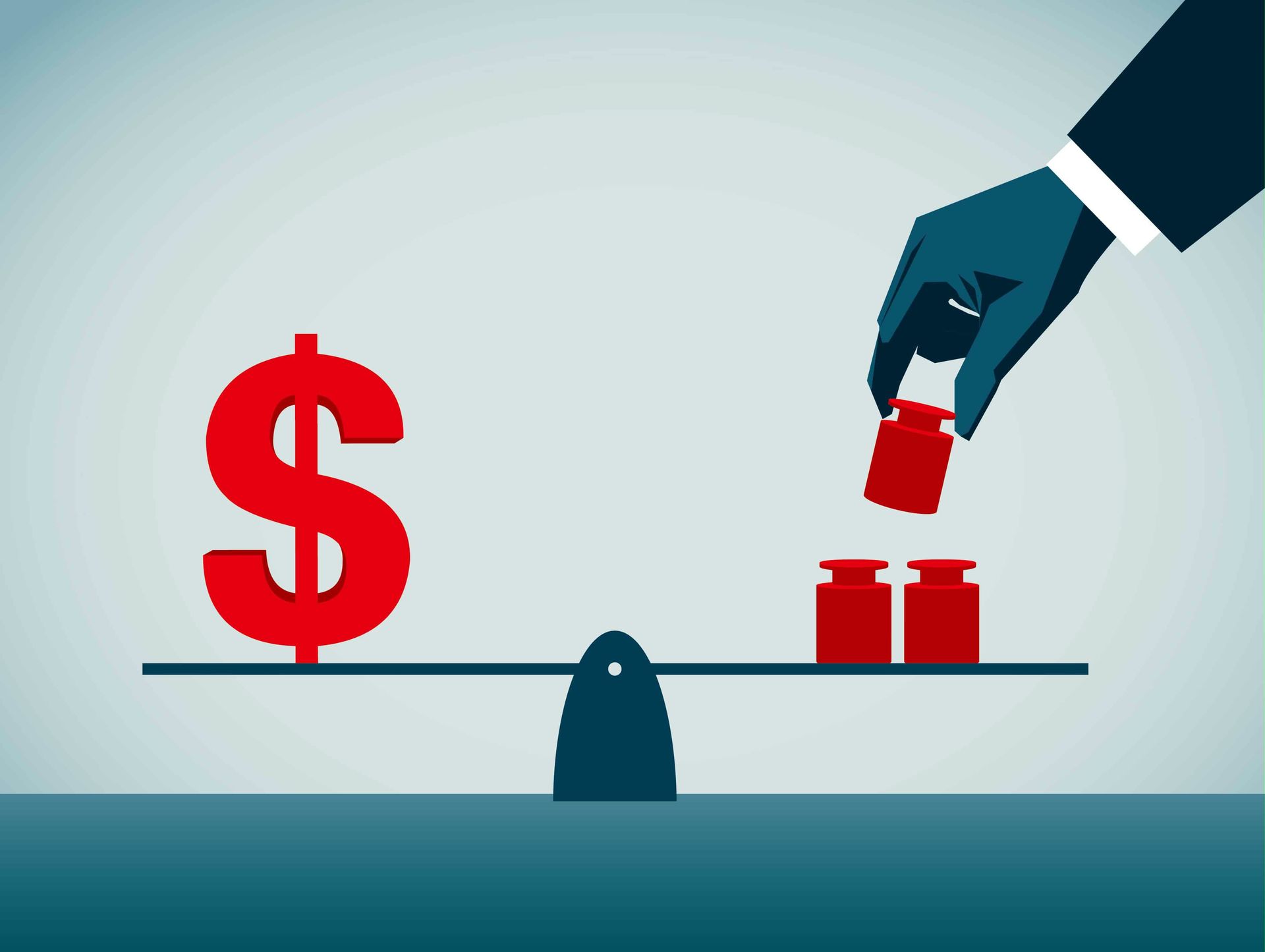
The Pros and Cons of Purchasing Backlinks to Enhance…
What are Backlinks?
Before delving into the pros and cons of purchasing backlinks, it’s essential to understand what they are. A backlink is a hyperlink that directs users to your website from another site. Whenever a web page links to your website, it passes authority to your site, and this helps rank your website higher on search engine results pages (SERPs).
The Pros of Purchasing Backlinks
1. Faster Results: Building backlinks organically by creating high-quality content and promoting them through social media and other platforms takes time. Purchasing backlinks ensures that you get the needed links within a shorter time frame, boosting your website ranking faster.

2. Increased Website Traffic: Having quality backlinks can contribute to organic traffic to your website. Backlinks are an excellent way to drive targeted traffic to your website, and this can increase your revenue.
3. Increased Website Authority: Backlinks are one of the key components that Google and other search engines use to determine the authority and trustworthiness of a website. The more quality backlinks you have, the higher your website authority.
4. Brand Visibility: Purchasing quality backlinks puts your brand in front of your target audience, increasing your brand’s visibility and building brand recognition.
The Cons of Purchasing Backlinks
1. The Risk of Google Penalties: Google discourages buying backlinks because it undermines the natural process of backlink building. If Google discovers that you are using paid links to manipulate their search results, they may penalize your website, and your ranking might drop significantly.
2. Quality of Links: Many SEO agencies or websites that offer to sell backlinks might not provide high-quality links. Instead, they might provide spammy links that might harm your website ranking instead of boosting it.
3. High Cost: Purchasing quality backlinks can be expensive. If you are not careful, you might end up paying a lot of money without getting the desired results.
4. Short-term Gains: While purchasing backlinks might increase your website’s ranking, the effect may not be long-lasting. Search engines may change their algorithms, making it harder, if not impossible, for your website to retain its ranking.
The Best Practices When Purchasing Backlinks
If you decide to purchase backlinks, it’s essential to follow the best practices to safeguard your website from penalties and other negative impacts.
1. Purchase from Trusted Sources: Research and ensure that the sites you’re purchasing backlinks from are trusted sites with high domain authority. You can use tools like Ahrefs, SEMrush or Moz to check the website metrics and its traffic.
2. Purchase Relevant Links: Relevant links are essential because they increase your website’s contextual relevance. Make sure that the links you purchase are relevant to your website niche, topic and industry.
3. Avoid Black-hat SEO practices: Using black-hat SEO practices such as keyword stuffing, hidden texts or cloaking can harm your website’s ranking and may also result in penalties from Google. Stick to ethical SEO practices when purchasing backlinks.
4. Monitor your Backlinks: It’s essential to monitor your backlinks to ensure that they contribute positively to your website ranking. You can use tools like Google Search Console or Ahrefs to monitor your backlinks and detect spammy links or broken links.
Conclusion
Purchasing backlinks to enhance your website authority can have a significant impact on your website’s ranking and traffic. However, it is crucial to note the risks involved and ensure that you follow the best practices when purchasing backlinks. Always remember that building high-quality, natural backlinks is the best way to increase your website authority and improve your website ranking in the long run. We’re always working to provide a comprehensive educational experience. That’s why we recommend this external resource with additional information on the subject. Read this detailed content, delve deeper into the topic.
Learn more about the topic in the related links we’ve prepared for you: